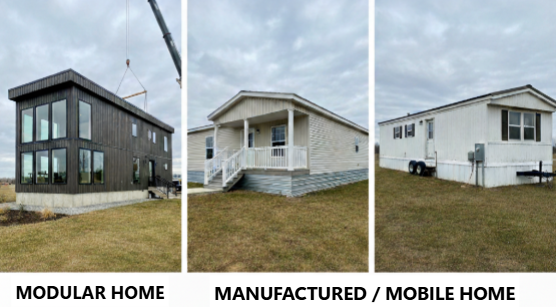
As we researched modular construction, manufactured homes kept appearing in our search results. It quickly became clear that before moving forward, we needed to understand the differences between modular vs manufactured homes.
Manufactured Homes (Formerly Called Mobile Homes)
What were once commonly referred to as mobile homes are now called manufactured homes.
Manufactured homes are built in a factory and transported as:
- A single unit, or
- Multiple sections, such as double-wide or triple-wide homes
They are constructed on a permanent steel chassis, which remains part of the structure. After delivery, the wheels are typically removed or concealed, and the manufactured home is commonly:
- Placed on piers, or
- Installed on a semi-permanent or permanent foundation, depending on local requirements
Cost, Renovations, and Value Considerations
Manufactured homes are often less expensive upfront than modular or site-built homes, which can make them an important option for affordability. When placed in established parks, they often require less site work and simpler foundation systems than homes installed on private land.
In conversations we’ve had with contractors, major renovations to manufactured homes tend to be more limited, with many updates being cosmetic rather than structural. This can vary depending on the age of the manufactured home and how it was originally constructed.
Manufactured homes are frequently described as depreciating assets. In practice, we have seen manufactured homes appreciate in our area, though typically at a slower rate than townhomes and condominiums, and usually during periods of strong housing demand.
Manufactured homes may be located on:
- Owned land, or
- Leased land, such as within manufactured home communities
Our direct experience with manufactured homes is limited, but they continue to play an important role in providing accessible and affordable housing options.
Modular Homes
Once we had a clear understanding of the difference between modular and manufactured homes, we spent a significant amount of time researching modular homes, as this is the type of home we are building.
Like manufactured homes, modular homes are built in a factory. The key distinction between the two is not whether they are regulated, but which building codes apply and how oversight and inspections are handled.
Modular homes are typically:
- Constructed as individual modules
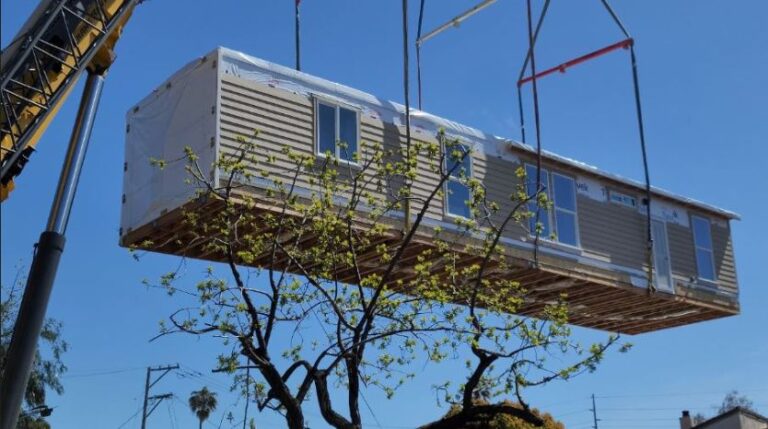
- Transported to the site by truck
- Installed using cranes
- Permanently placed on a traditional foundation
The modules are assembled side-by-side and/or stacked vertically to form the completed modular home.
As we learned, the factory portion is only part of the overall project — a topic we explore in greater detail in our post on the real cost of a modular home.
Building Codes, Regulation, and Inspections
Manufactured homes are built to federal Housing Urban Development (HUD) Code and inspected under a national standard.
Modular homes are built to the same state and local building codes as site-built homes in the jurisdiction where they are installed. In California, modular homes are regulated by the Housing and Community Development (HCD) Agency.
From what we learned:
- Factory inspections take place during modular construction
- Local building departments inspect the on-site work, similar to inspections for conventional homes
Because of these regulatory differences, modular homes are often treated more similarly to site-built homes in areas such as:
- Renovation flexibility
- Insurance classification
- Property values
Why Some Homeowners Replace Manufactured Homes with Modular Homes
We learned from our realtor that some homeowners choose to replace older manufactured homes with new modular homes rather than renovate an existing manufactured home. The main factor that often comes up in this decision is monthly payments.
Modular homes typically qualify for better financing terms than manufactured homes, including 30-year loans. This can result in lower monthly payments than if you financed upgrades to an older manufactured home. Before going this route, thorough due diligence is critical.
Modular Homes in California
Our home will be installed in California — a state with strict building codes and a well-documented housing shortage. During our research into modular vs manufactured homes, it became especially important to understand how each type is regulated within the state. (We plan to address how California’s housing shortage delayed our project in a future post.)
Unlike manufactured housing, modular homes in California must comply with the same state and local building codes required of site-built homes. That regulatory oversight helps ensure our modular home will meet the same safety and construction standards expected of traditional construction within the state.
Final Note
This overview reflects what we learned while researching modular home construction for our own project and comparing modular vs manufactured homes. Regulations, financing, and feasibility vary widely by location and circumstance, and readers should consult local authorities and qualified professionals when making decisions for their own situation.